Preschool readiness is about much more than a birthday. As children grow, we often see new signs that they are ready for more routine, play with peers, and learning outside the home. For many families in Falls Church, fall is a natural time to think about preschool because children are settling into familiar schedules and showing new communication skills.
Parents may wonder, “How old is preschool?” They may also wonder whether their child is emotionally ready, prepared to be away from home, or able to keep up with a group. We believe a licensed child care center can give children ages 2 through 5 a caring place to practice these skills at their own pace.
A Confident Preschool Start Begins with the Right Fit
Every child develops differently, so there is no single checklist that decides whether preschool is the right next step. Some children are eager to join group activities early, while others need more time to warm up to new people and routines. Both are normal.
At Kaye Kare Child Care Center, we focus on helping young children feel safe, welcome, and included as they learn. A good preschool fit gives your child room to grow while also giving you peace of mind about their daily care.
As you think about preschool, it helps to consider:
- Your child’s age and daily routines
- Their interest in other children and new activities
- Their ability to communicate needs in their own way
- The type of support they may need during transitions
- Your family’s schedule and future kindergarten plans
How Old Is Preschool For Most Children?
When parents ask how old is preschool, the answer can vary from one program to another. Many children begin preschool-style experiences around age 2 or 3 and continue through age 5. Some children start in a toddler program, then move into a pre-K classroom as they gain confidence and independence.
Age-based classrooms can help children learn in ways that match their stage of development. Two-year-olds often benefit from predictable routines, sensory activities, language practice, and early social play. Older preschoolers may be ready for longer group activities, cooperative projects, and more kindergarten-readiness experiences.
A birth date is only one part of placement. We recommend asking about a program’s age requirements, classroom openings, toileting expectations, and transition process. It is also helpful to think about whether your child can participate comfortably in a group setting with guidance from caring adults.
If you are considering a start during the school year or planning ahead for the next one, an autumn check-in can be useful. A late-October visit gives you time to learn about age-specific options and decide whether your child may do well with a current opening, a later start, or a future enrollment plan.
Readiness Signs That Show Your Child Can Thrive
Readiness does not mean your child needs to be fully independent, perfectly verbal, or able to follow every direction without help. Preschool is one of the places where children get to practice those skills. We support children as they learn to communicate, join routines, and feel comfortable with new adults and peers.
Social and emotional readiness can look different from child to child. Your child may benefit from preschool if they show curiosity about other children, enjoy simple group activities, or are beginning to express feelings through words, gestures, or actions. Some tears at drop-off can be normal, especially during the first days of a new routine.
Children may also be ready to practice skills such as:
- Communicating basic needs with words, gestures, or both
- Following short, simple directions with support
- Trying activities away from a parent or caregiver
- Participating in handwashing, cleanup, and mealtime routines
- Accepting comfort from another trusted adult
Toileting independence can vary by classroom and center policy, so it is always wise to ask about expectations. Your child does not need to master every developmental skill before starting. The right environment meets children where they are and encourages steady progress.
Preschool Routines Build Kindergarten-Ready Skills
Kindergarten readiness is not only about knowing letters, numbers, shapes, or colors. It also includes learning how to participate in a group, manage simple responsibilities, listen to others, and try again when something feels hard.
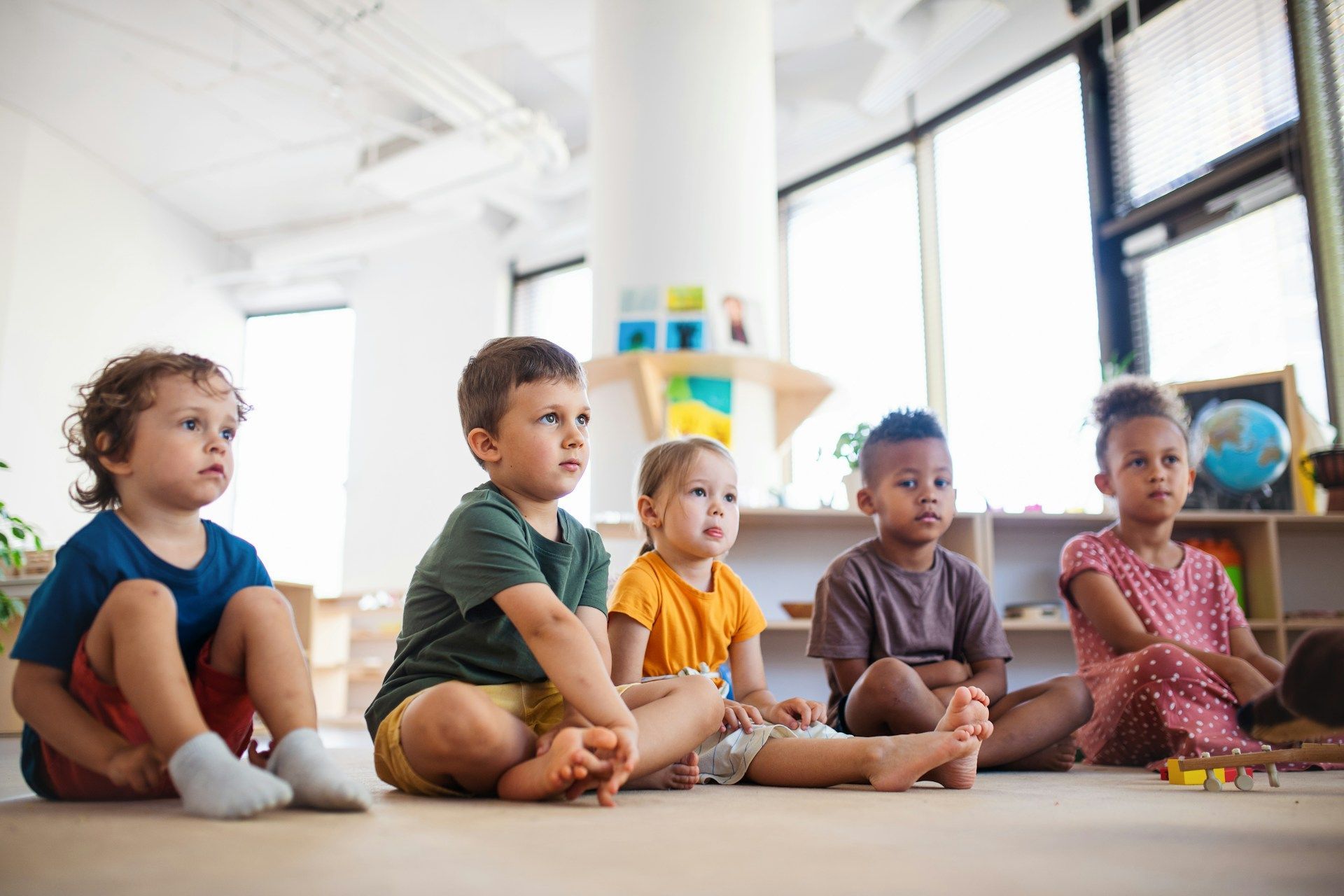
Daily routines give children practice with independence in small, meaningful ways. Hanging up a backpack, washing hands, choosing an activity, cleaning up, and sitting with classmates for group time can all help children understand what a school day feels like. Over time, these repeated moments can build confidence.
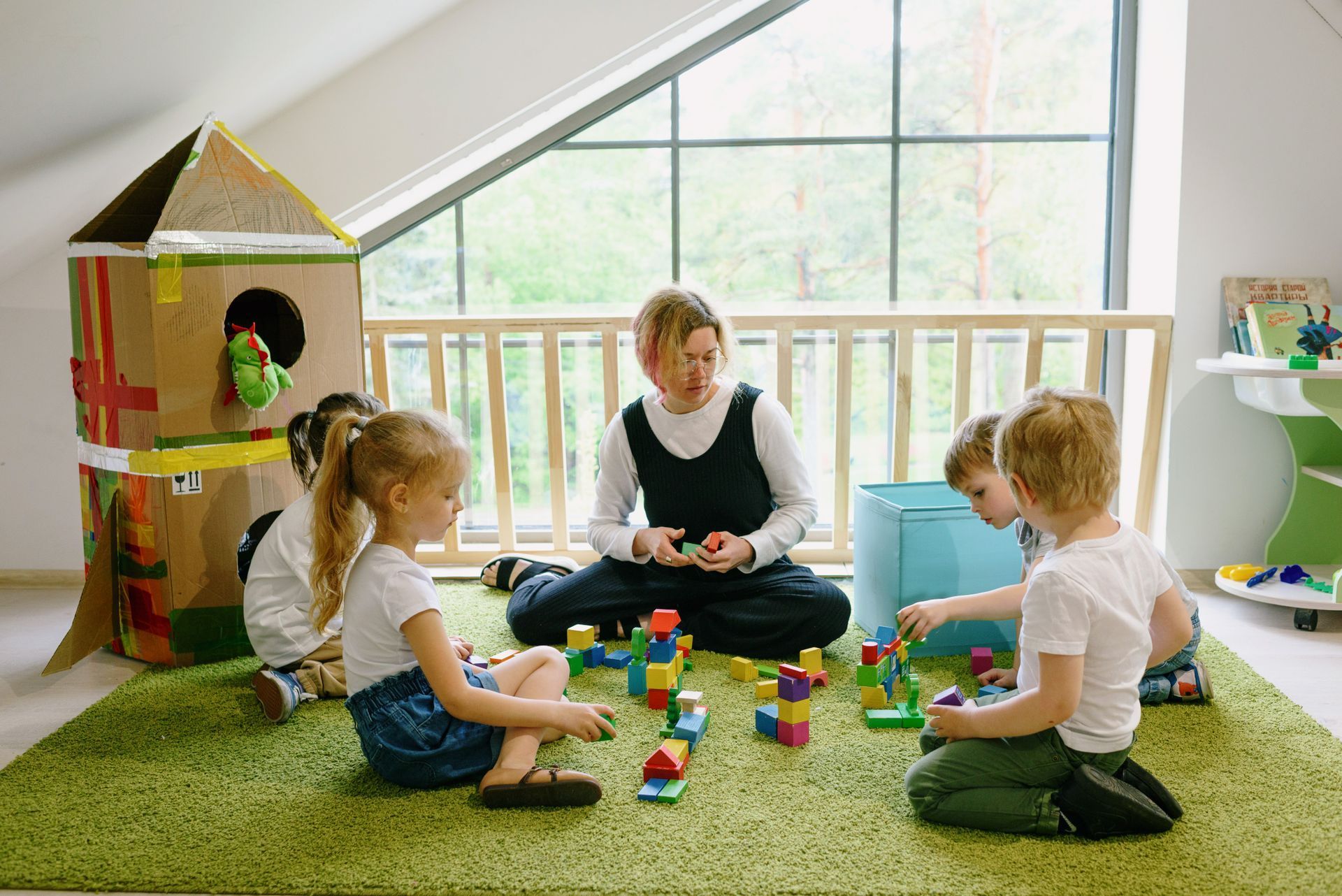
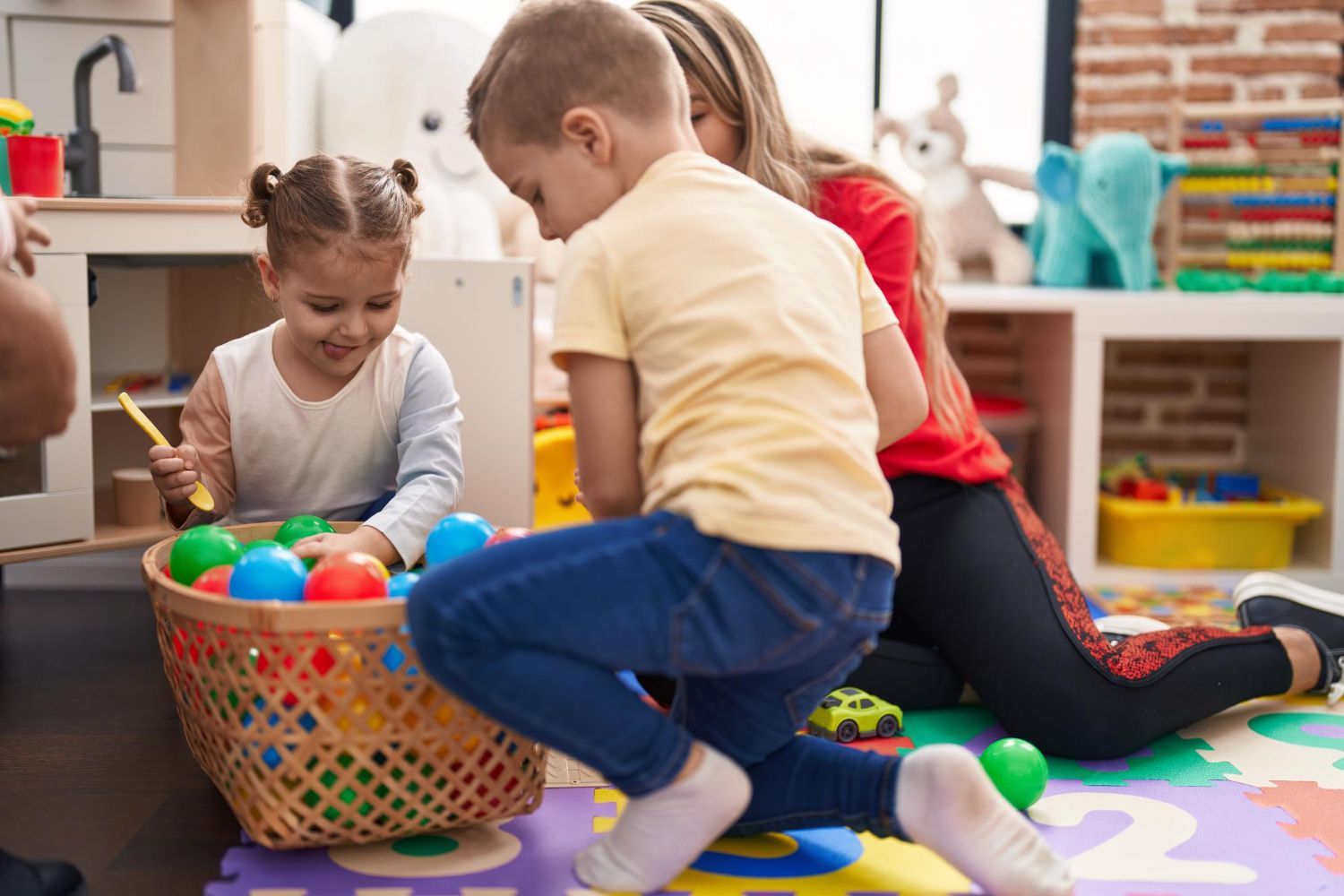
Learning through play is another important part of preschool. We can introduce early literacy, counting, fine motor skills, problem-solving, movement, art, stories, and songs through hands-on activities that feel fun and age-appropriate. Young learners are building skills while they create, explore, talk, and play.
Regular time with peers also helps children grow socially. In a classroom, children can practice taking turns, sharing materials, listening, using words during conflicts, and joining a group activity. These are valuable skills for children who have spent most of their time at home or in a smaller care setting.
Licensed Care Gives Families Confidence
Choosing a preschool program is a big decision, and we encourage families to ask thoughtful questions. A licensed child care center should provide a structured setting where children’s supervision, daily routines, health needs, safety, and learning experiences are clearly supported.
During a visit, pay attention to the classroom environment and how educators interact with children. Young learners need opportunities for active play, quiet moments, creative exploration, teacher-guided activities, and daily routines that feel predictable. It is also helpful to ask how teachers support children during the first weeks of enrollment.
Families may want to ask about:
- Licensing and safety procedures
- Classroom routines and daily communication
- Age-appropriate learning and play spaces
- How children are supported during transitions
- Options that fit a child’s changing needs over time
We serve children ages 2 through 12, which can be helpful for families seeking continuity as children grow. Families from Falls Church, Arlington, Arlington County, and Fairfax County can consider both their child’s current care needs and the skills they will build before kindergarten.
Planning Your Child’s Next Step
There is no perfect preschool age for every child. The best choice is one that considers your child’s personality, developmental needs, comfort with routines, and opportunities to learn with caring guidance.
Giving yourself time to ask questions and observe a classroom can make the decision feel clearer. A supportive preschool setting helps children take small steps toward independence while keeping play, connection, and a sense of security at the center of each day.
Find a Preschool Program That Fits
At Kaye Kare Child Care Center, we offer engaging programs that support children’s growth, social skills, and early learning. Review
how old is preschool and the program options available for your child. If you would like to learn more or arrange a visit,
contact us today.

Share Article


Our Recent Blogs