This is a subtitle for your new post
A Confident Start for Your Two-Year-Old
Choosing care for your 2-year-old can feel exciting and emotional at the same time. This is a big new step for your child and for your family. The right childcare setting gives toddlers a safe place to build independence, language, social skills, and early learning habits while giving you confidence in their daily care.
At age 2, children are curious, active, and learning quickly. They may be trying new words, testing limits, wanting to do things on their own, and still needing plenty of comfort. We believe a good program balances caring relationships with play, meals, rest, outdoor time, and gentle guidance. Families in Falls Church, Arlington, Arlington County, and Fairfax County can learn a great deal by visiting programs and asking thoughtful questions.
Confirm Licensing, Safety, and Daily Care Standards
Licensing should be one of the first things you review when comparing childcare choices. As a licensed childcare center in Falls Church, we understand how important it is for families to know that a program follows Virginia requirements designed to support children’s health, supervision, and well-being.
During your search, ask each center about the practices that shape a child’s day. Clear answers can help you understand how prepared the program is and whether its routines fit your family’s needs.
- Is the center licensed in Virginia, and are staff members background checked and trained?
- What first aid, CPR, supervision, and emergency procedures are in place?
- How does the center support diapering, toilet learning, handwashing, illness concerns, medication, and allergies?
- What meals are served, and how are rest and nap routines handled?
A tour can also tell you a lot. Look for secure entrances, clean classrooms, child-sized furniture, and spaces that feel organized without being too rigid. Outdoor play areas should be designed with young children in mind, and teachers should stay involved with the children rather than standing apart from the group. Toddlers need room to explore, but they also need watchful adults nearby.
Compare Daycare in Falls Church Options in Person
A website or phone conversation is a helpful starting point, but an in-person visit often gives you the clearest picture of daycare in Falls Church. If possible, tour during regular program hours. Watching the daily rhythm lets you see how children move from play to meals, activities, outdoor time, and rest.
Notice whether children seem comfortable and engaged. A toddler room does not need to be perfectly quiet, because young children learn through movement and conversation. Still, the space should feel calm, caring, and well guided. We recommend paying close attention to how teachers respond when a child needs help, gets frustrated, or wants attention.
Questions like these can lead to useful conversations:
- How do teachers comfort a child who is upset or missing home?
- How are sharing, grabbing, and other toddler conflicts handled?
- How do you introduce new activities and help children join in?
- What updates will parents receive about meals, naps, activities, and concerns?
Warm teacher-child interactions matter. Look for adults who get down to a child’s eye level, speak kindly, encourage children to use words, and notice individual needs. Positive redirection helps toddlers learn what to do instead of simply being told what not to do. This approach supports learning while protecting a child’s sense of security.
Look for Learning Through Play and Routine
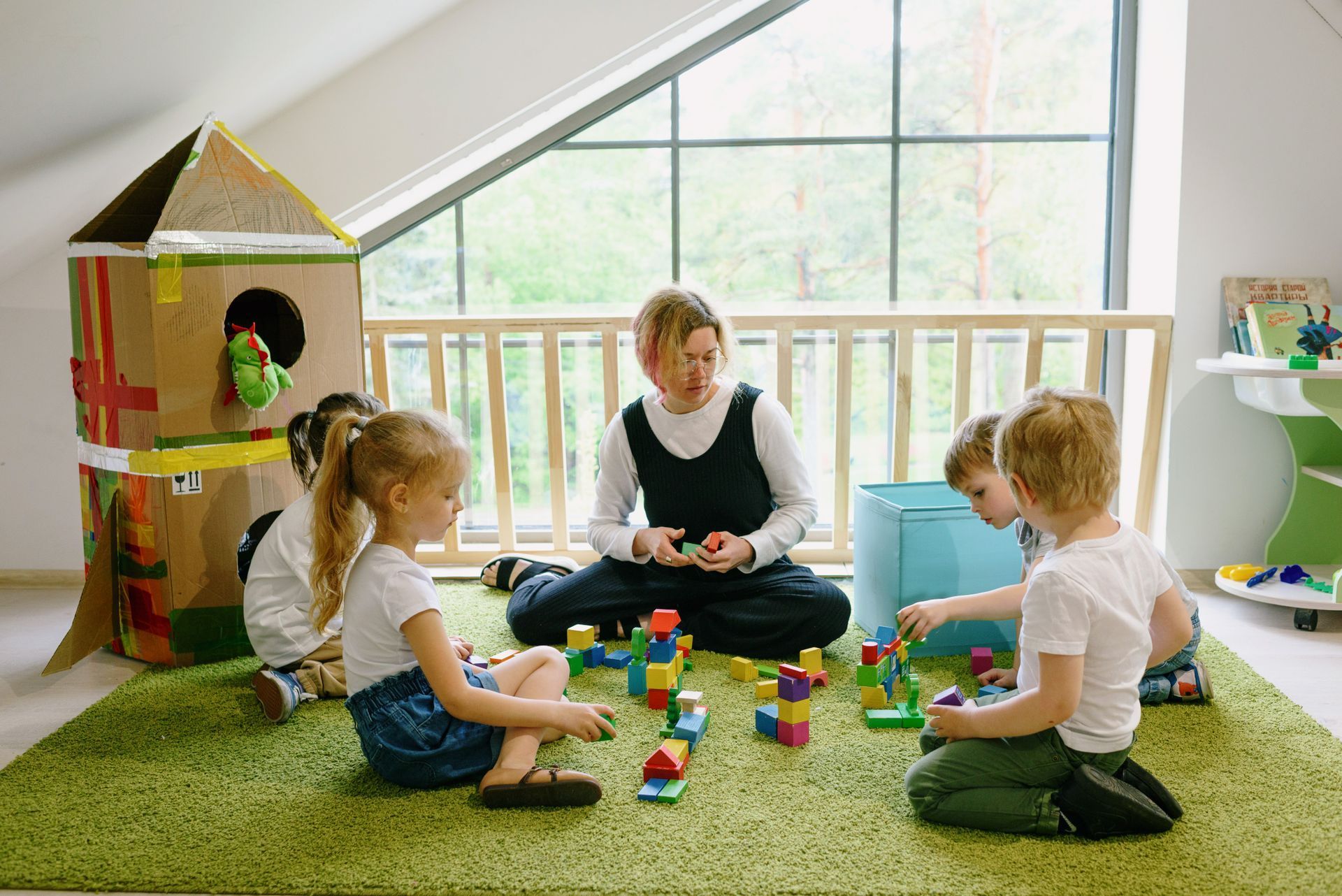
Strong toddler care is about much more than supervision. At Kaye Kare Child Care Center, we know that young children learn through play, movement, stories, music, conversation, and hands-on discovery. Everyday moments, such as washing hands, putting toys away, or sitting down for a meal, can help a 2-year-old practice new skills.
By this age, children are often building vocabulary, following simple directions, and learning to express feelings. They are also practicing self-help skills, such as feeding themselves, helping clean up, and trying parts of their daily routine independently. Play with other children may begin side by side before it grows into more shared play, and that is a normal part of development.
Predictable routines can make a large difference for toddlers. Knowing what comes next helps children feel safe in a group setting. A familiar pattern for arrival, meals, learning activities, outdoor play, rest, and pickup gives children repeated chances to practice independence without feeling overwhelmed.
Those early experiences can also support kindergarten readiness over time. Books, songs, colors, numbers, classroom routines, social play, and simple problem-solving activities all help create a foundation for the preschool and kindergarten years ahead. The goal is not to rush childhood. It is to give children meaningful ways to grow at their own pace.
Ease the Transition with Family Partnership
Starting at a new childcare center takes adjustment for many 2-year-olds. Some children may have brief separation tears, sleep changes, shifts in appetite, or extra clinginess at home during the first few weeks. We often remind families that these reactions can be temporary as a child learns that school is safe and that a parent will return.
Preparation can make the first days feel more familiar. If the center permits it, a comfort item from home may help. You can also talk positively about school, practice the morning routine, and keep goodbyes short, calm, and reassuring. Long or repeated goodbyes can make it harder for a toddler to settle after you leave.
Communication should work both ways. Families deserve updates about meals, naps, activities, milestones, and any concerns that arise during the day. In return, teachers benefit from hearing about a child’s routines, favorite comforts, changing needs, and developmental progress at home. When parents and teachers share information, children receive more consistent support.
Choose with Confidence
Before making your decision, compare each center’s licensing, safety practices, teacher interactions, learning opportunities, communication style, location, hours, and overall fit for your child. Facts matter, but so does your impression when you walk through the classroom. A welcoming, organized environment with caring adults can help your child begin this new experience with greater comfort.
Trust yourself to ask questions and take time to observe. The best setting for your 2-year-old should feel safe, responsive, and respectful of their growing independence, while giving them room to play, learn, and build confidence each day.
Support Your Child’s Next Steps
At Kaye Kare Child Care Center, we offer nurturing routines, engaging play, and age-appropriate learning that help young children prepare for what comes next. Explore our
daycare in Falls Church programs to see how we support 2-year-olds as they build social, language, and early learning skills. Have questions about enrollment or scheduling a visit?
Contact us to connect with our team.

Share Article


Our Recent Blogs